- Home
- Media Kit
- MediaJet
- Current Issue
- Past Issues
- Ad Specs-Submission
- Reprints (PDF)
- Photo Specifications (PDF)
- Contact Us
- PRIVACY POLICY
- TERMS OF USE
Loading

ONLINE

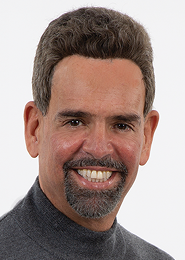
George Barrios
At The Intersection Of Sports, Media, And Technology
Editors’ Note
George Barrios is a business leader, investor, and operator working at the intersection of sports, media, and technology. He is Co-Founder and Co-CEO of Isos Capital, where he invests in growth opportunities across sports, entertainment, and media. He is also an investor in and Director of Global Sport Group (GSG), a CVC-backed sports investment platform whose portfolio includes La Liga, Ligue 1, the WTA, and Equine Network. In addition, he is an investor in and Co-Chair of Equine Network, and serves as a Trustee of the University of Connecticut. Barrios is best known for his tenure as Co-President and Board Member of WWE, where he helped transform the company into a global, multi-platform entertainment business. Under his leadership, WWE expanded its direct-to-consumer strategy, scaled its digital and social presence, and helped lay the groundwork and lead the company’s merger with UFC to form TKO Group. Earlier in his career, Barrios held senior executive roles at The New York Times Company, Time Warner, HBO, and Praxair, building deep experience across finance, strategy, and innovation. He has also served on the boards of Make-A-Wish America, WWE, and Bowlero, and previously served as Chair of the national Make-A-Wish Foundation. He holds an MBA from the University of Connecticut School of Business. A first-generation Cuban American raised in Queens, New York, he is the author of Sometimes Wrong But Never in Doubt.
Will you discuss your career journey?
My career has been anything but linear, which is probably what makes it meaningful. I grew up the only child of Cuban immigrants in Flushing, Queens, and that environment shaped how I think about risk, resilience, and hard work. I put myself through UCONN, earned my MBA, and built my early career across companies like HBO, Time Warner, Praxair, and The New York Times Company, always with the goal of learning how great businesses really work. In 2008, I joined WWE as CFO, and over the next 12 years, alongside my business partner, Michelle Wilson, helped transform it from a primarily North American live-events business into a global media company. After leaving WWE, I co-founded Isos Capital, completed the Bowlero transaction, and later returned to WWE’s board to help shape the sale of the company to Endeavor.
Looking back, every chapter taught me something essential about strategy, leadership, reinvention, and the value of betting on yourself. Today, my work spans investing and operating roles through Isos Capital, Global Sport Group, and Equine Network, which lets me continue building at the intersection of sports, media, and technology.
“Today, my work spans investing and operating roles through Isos Capital, Global Sport Group, and Equine Network, which lets me continue building at the intersection of sports, media, and technology.”
How did your parents’ escape from Cuba shape your path and worldview?
It shaped everything. My parents lost a great deal when they fled Cuba, but they never defined themselves by loss. They looked forward, worked hard, and rebuilt their lives with dignity and discipline. My father taught me critical thinking, grit, and self-reliance. My mother taught me ambition, education, and perseverance. What I inherited from both of them was a deep belief that self-pity gets you nowhere, that family matters, and that if life knocks you down, you get back up and keep moving. That worldview has stayed with me in every phase of my life and career. That immigrant mindset stayed with me and continues to shape how I evaluate risk, choose partners, and build businesses.
What led to the making of the massive sports deal at WWE, and will you highlight the behind-the-scenes dynamics that shaped an industry-defining negotiation?
The roots of that deal go back many years. Michelle and I believed for a long time that WWE was undervalued and that its full potential would only be realized if it was positioned not simply as wrestling, but as premium live sports entertainment with global scale. That meant transforming the business, changing the narrative around it, and thinking strategically about where media and sports were headed. When I returned to WWE’s board in 2023, the opportunity was finally there to pursue that vision. Behind the scenes, it was an intense strategic process shaped by timing, trust, preparation, and a very clear view of where value would come from. The logic of combining WWE and UFC was compelling: two powerful live-event brands, global fan bases, and significantly greater leverage in future media rights negotiations. In the end, it was an industry-defining deal because the strategic rationale was real, and the scale mattered.
Did you know that you had the resilience to reinvent yourself after public failure, including the firing that could have ended your career and the personal reckoning that followed?
No, I don’t think you ever know that in advance. You find out by living through it. Being fired publicly from WWE after more than a decade was painful and disorienting, and there was no shortcut through that experience. But I’ve come to believe that resilience is built in those moments when you have every reason to stop and decide instead to keep going. I had setbacks long before that, and each one taught me something. Over time, I learned that failure does not define you unless you let it. If you are willing to reflect, adapt, and keep moving forward, what looks like an ending can become the start of your next chapter.
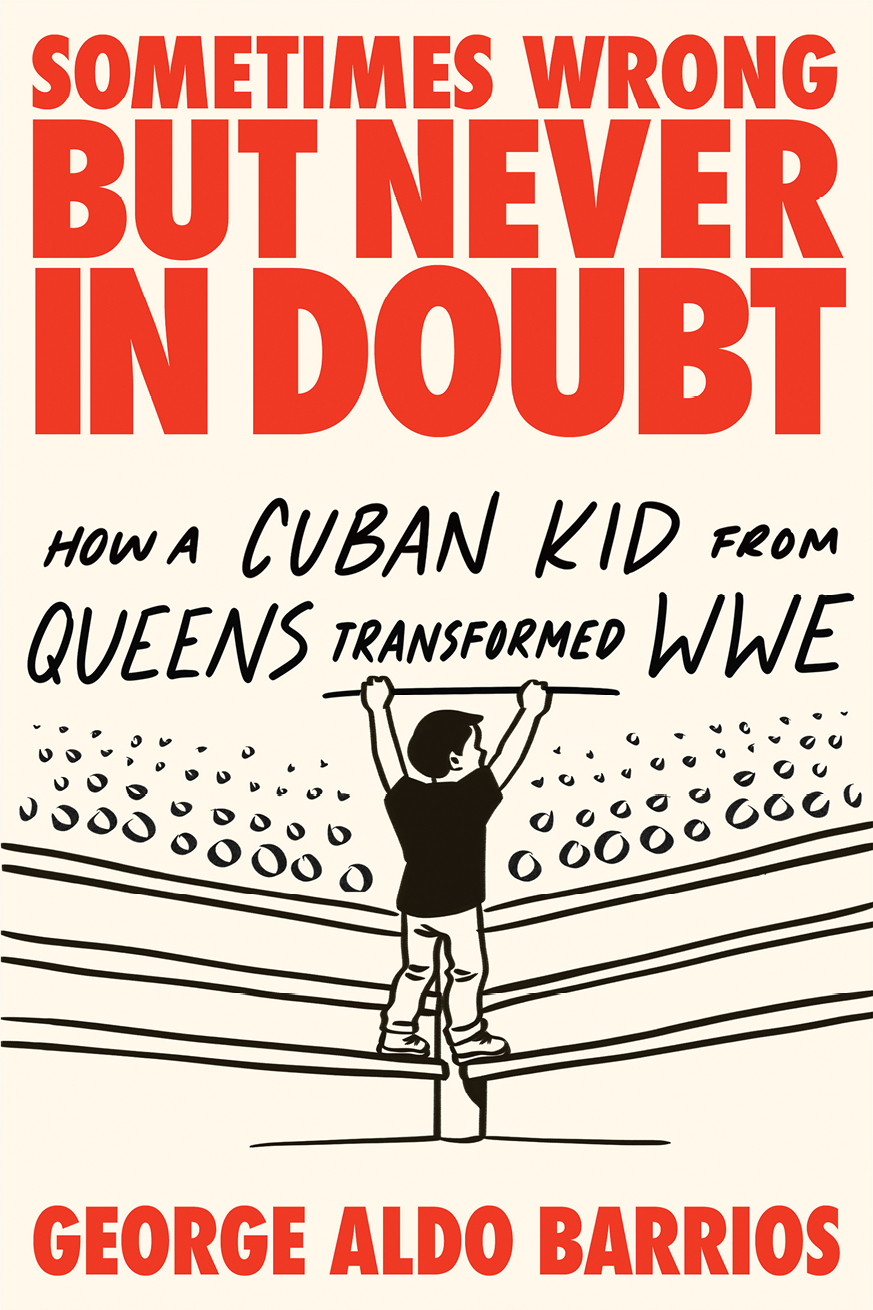
What interested you in writing the book, Sometimes Wrong but Never in Doubt?
I wanted to tell the truth. Too many business stories are cleaned up until they no longer resemble real life. My journey included success, but it also included grief, mistakes, failure, and reinvention. I wanted to write a book that was honest about all of it, not just the wins, but the cost, the struggle, and the lessons that came from getting things wrong. The title captured something important to me: real confidence is not arrogance; it comes from preparation, conviction, and the willingness to act even when the outcome is uncertain. I wanted the book to reflect that.
What are the key messages you wanted to convey in the book?
One message is that confidence has to be earned. It is not about bravado; it is about doing the work so thoroughly that you can move decisively when the moment comes. Another is that hardship is not incidental to growth; it is often the thing that makes growth possible. I also wanted to show that value is often hiding in plain sight, whether in a business, an opportunity, or a person, and that success often comes from seeing what others miss. Finally, I wanted to be honest about the importance of relationships. No meaningful success is built alone. The people who challenge you, support you, and stand by you matter more than any title ever will.
What do you feel are the keys to effective leadership?
Clarity is at the top of the list. In any complex organization, the leader’s job is to cut through the noise, define what matters, and make the path forward understandable to other people. Leadership also requires preparation, because confidence without substance is just performance. It requires courage, because often the right path is unpopular before it becomes obvious. And it requires building teams whose strengths complement your own. I also believe leadership carries a stewardship obligation, whether in business or service roles – to leave institutions stronger than you found them. The best leaders are not just good operators; they give people a sense of purpose, create trust, and help others see the larger vision they are working toward.
What advice do you offer to young people beginning their careers?
Start by figuring out what genuinely engages you. Curiosity matters, because it is what keeps you learning when things get hard. Then get into the details. Don’t chase titles before you build real capability. Learn how things work, do the work thoroughly, and develop an edge through preparation. Be willing to ask hard questions and challenge assumptions when you have done the homework to back it up. Also invest in relationships and institutions early, because over time your reputation, your judgment, and the people who trust you become your greatest assets. Most importantly, bet on yourself. Your path may not be neat, and it may not look impressive at the start, but if you stay resilient, keep learning, and surround yourself with the right people, you can build something extraordinary over time.